40-HOUR MAHINDRA PRIDE CLASSROOM – SKILL DEVELOPMENT & EMPLOYABILITY TRAINING PROGRAMME
Programme Organizer: B. Mahesh Nayak, HOD – AI&ML
1. PROGRAMME DETAILS
Particulars |
Details |
Name of the Programme |
Mahindra Pride Classroom – Skill Development & Employability Training Programme |
Organized By |
KLMCEW, Kadapa |
Implementation Partner |
Naandi Foundation |
CSR Initiative |
Mahindra & Mahindra Group |
Programme Organizer |
B. Mahesh Nayak, HOD – Artificial Intelligence |
Target Participants |
III Year B.Tech Students and MBA Students |
Total Training Duration |
40 Hours |
Offline Training |
35 Hours |
Online Training |
5 Hours |
Mode of Delivery |
Blended – Offline & Online |
Training Fee |
Free of Cost |
Date of Circular |
05 August 2026 |
Date of Completion Report |
18 August 2026 |
Number of Trainers |
5 |
2. INTRODUCTION
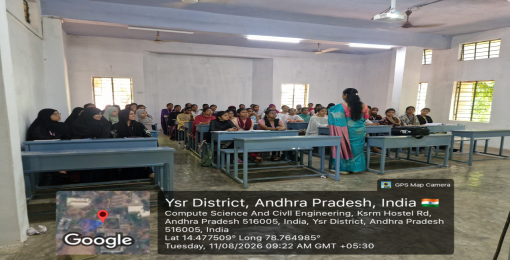
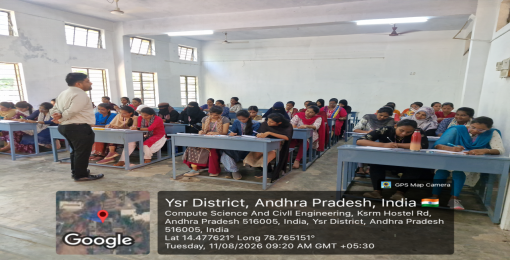
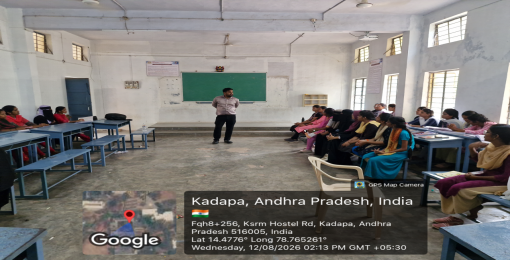
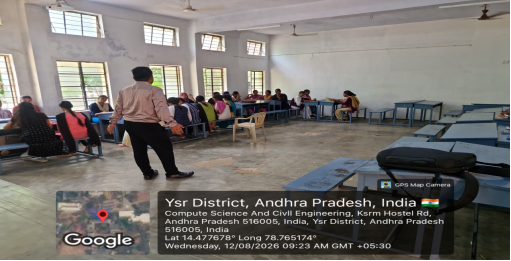
Kandula Lakshumma Memorial College of Engineering for Women (KLMCEW), Kadapa, in association with Naandi Foundation under the Mahindra Pride Classroom initiative of Mahindra & Mahindra Group, conducted a 40-Hour Skill Development and Employability Training Programme for III Year B.Tech students and MBA students.
The programme was designed to bridge the gap between academic learning and industry expectations by strengthening students’ communication, aptitude, reasoning, personality development, interview skills, professional etiquette and overall employability. The training was delivered through a blended learning model consisting of 35 hours of offline training and 5 hours of online training. The programme was conducted as a CSR initiative and was provided completely free of cost to beneficiaries..
3. OBJECTIVES OF THE PROGRAMME
- Enhance students’ communication and interpersonal skills.
- Improve aptitude and logical reasoning abilities.
- Develop confidence and positive professional attitudes.
- Prepare students for HR and managerial interviews.
- Improve group discussion and presentation skills.
- Develop resume preparation and professional presentation abilities.
- Familiarize students with interview etiquette and workplace expectations.
- Strengthen overall employability and placement readiness.
- Provide practical exposure through interactive activities and exercises.
- Support effective transition from campus to the professional environment.
4. TRAINING STRUCTURE
- 35 Hours – Offline Training
- 5 Hours – Online Training
- Total – 40 Hours
- Mode – Blended learning
5. TRAINING TEAM
- Ms. Abisha Shirley
- Mr. Jeevan Kumar
- Mr. P. Sagar Babu
- Mr. G. Balachandra
- Mr. Vijaya Raghava Krishna
6. MAJOR AREAS COVERED
- Communication and interpersonal skills
- Aptitude and reasoning skills
- Personality development and confidence building
- Group discussion skills
- Resume preparation and professional presentation
- HR and managerial interview skills
- Interview etiquette
- Workplace readiness and professional behavior
- Employability and career skills
7. METHODOLOGY ADOPTED
- Interactive classroom sessions
- Individual and group activities
- Practical exercises and role plays
- Group discussions
- Mock interview activities
- Aptitude and reasoning exercises
- Communication practice
- Case-based learning
- Online learning sessions
- Trainer feedback and guidance
8. STUDENT BENEFITS
- Improved communication and interpersonal skills
- Increased confidence in professional situations
- Better understanding of aptitude and reasoning techniques
- Improved participation in group discussions
- Enhanced interview preparation
- Better understanding of HR and managerial interview expectations
- Improved resume presentation and professional grooming
- Greater awareness of workplace etiquette and professional behaviour
- Better preparedness for campus recruitment and employment opportunities
- Exposure to practical employability-oriented training
9. PROGRAMME OUTCOMES
- Students gained greater confidence in expressing their ideas.
- Students improved their professional communication skills.
- Students developed better awareness of aptitude and reasoning approaches.
- Students understood the importance of professional etiquette.
- Students became more familiar with the HR interview process.
- Students improved participation in group discussions and team activities.
- Students gained awareness of workplace expectations.
- Students developed greater readiness for placement and recruitment processes.
- Students received structured career and employability guidance.
- Students were encouraged to continuously develop professional competencies.
10. IMPACT ON STUDENTS
- The programme served as a bridge between classroom education and industry requirements.
- Students identified strengths and areas requiring improvement through interaction with trainers.
- Practical and activity-based sessions provided opportunities to practice communication, teamwork, problem-solving and interview skills.
- The programme contributed to students’ overall development beyond the academic curriculum.
11. STUDENT PARTICIPATION AND ENGAGEMENT
- Training sessions
- Communication activities
- Aptitude and reasoning exercises
- Group discussions
- Team-building activities
- Interview preparation exercises
- Mock interview activities
- Online learning sessions
- Trainer-led assessments and activities
12. CERTIFICATION AND RECOGNITION
- Eligible students were provided Course Completion Certificates as per programme requirements.
- Guidance/manual materials were made available to participants as per the programme framework.
- Outstanding student participation may be documented wherever applicable.
13. INSTITUTIONAL SUPPORT
- Student identification and mobilization
- Training venue and classroom facilities
- Coordination with Naandi Foundation
- Faculty coordination and monitoring
- Attendance and participation monitoring
- Online session coordination
- Technical and logistical support
- Programme documentation
- Collection and maintenance of relevant evidence
14. ROLE OF THE PROGRAMME ORGANIZER
- Coordinated with Naandi Foundation and trainers.
- Planned and scheduled training activities.
- Coordinated students and faculty.
- Facilitated institutional arrangements.
- Monitored attendance and participation.
- Coordinated offline and online sessions.
- Ensured communication among students, trainers and institution.
- Maintained programme-related documentation.
- Prepared the completion report.
15. FEEDBACK AND EVALUATION
- Student feedback and interaction indicated usefulness of the programme in communication, aptitude and reasoning, interview preparation, group discussions, professional etiquette, career readiness and workplace expectations.
- Feedback records and supporting evidence should be maintained as part of programme documentation.
16. DOCUMENTARY EVIDENCE MAINTAINED
- Official circular dated 05 August 2026
- Programme completion/confirmation communication
- Training framework/module details
- List of participating students
- Attendance sheets
- Training schedule
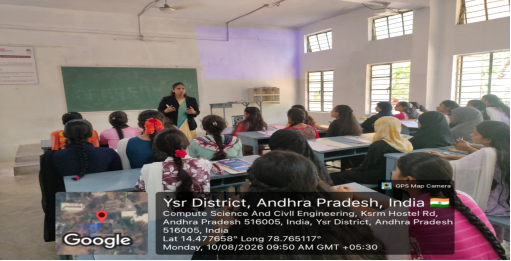
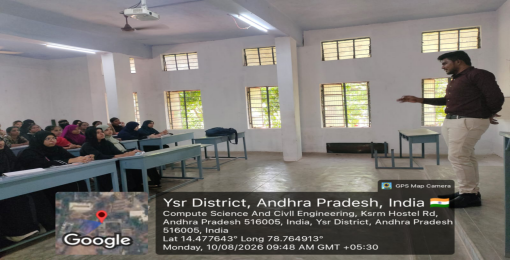
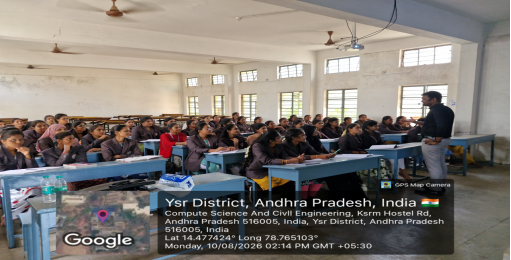
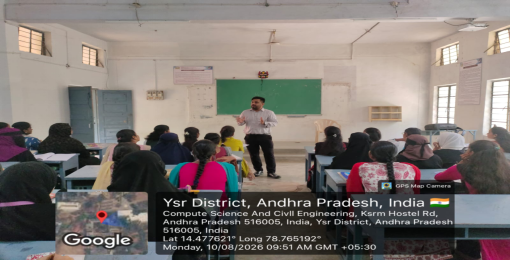
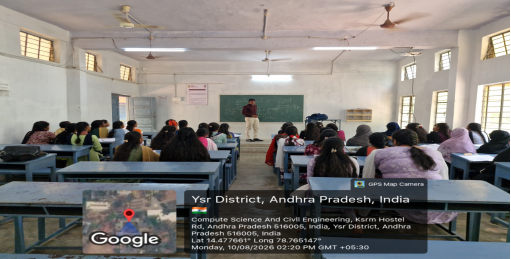
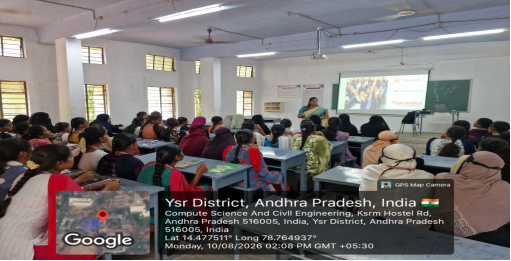
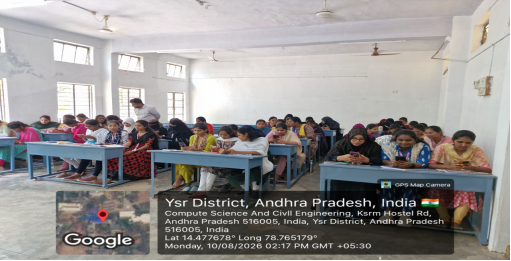
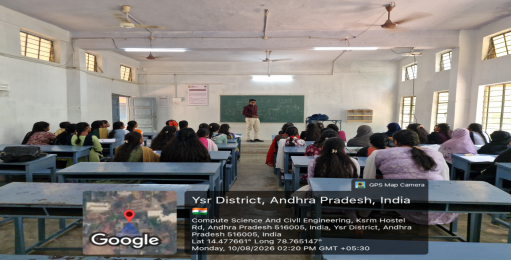
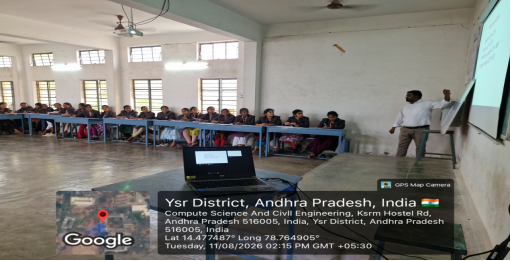
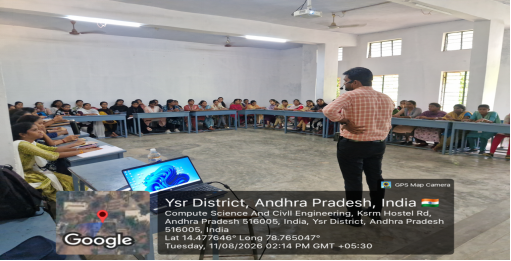
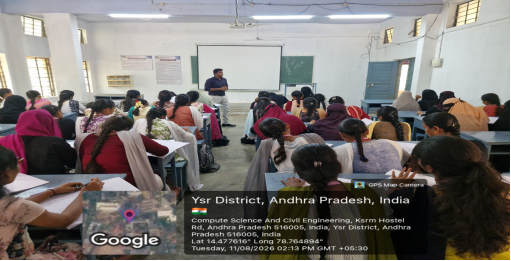
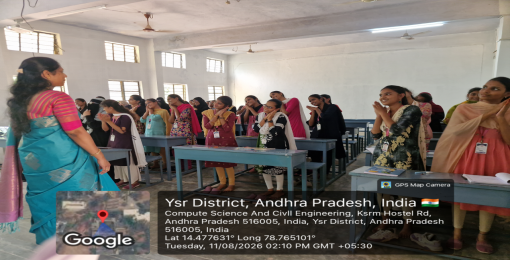
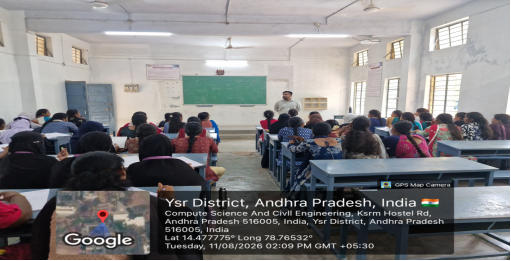
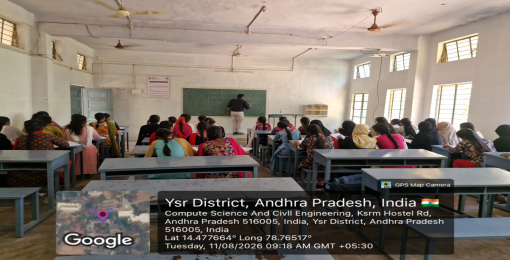
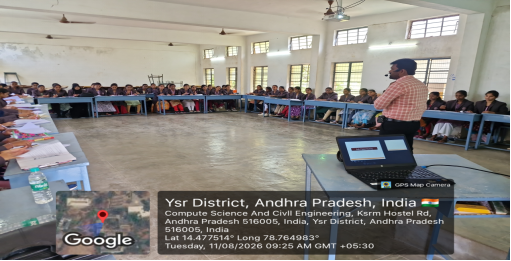
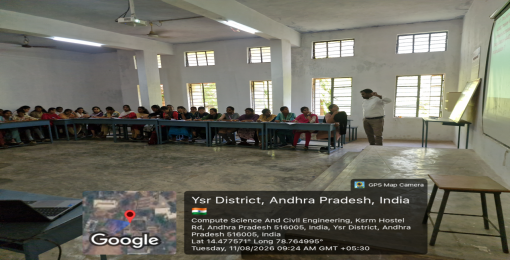
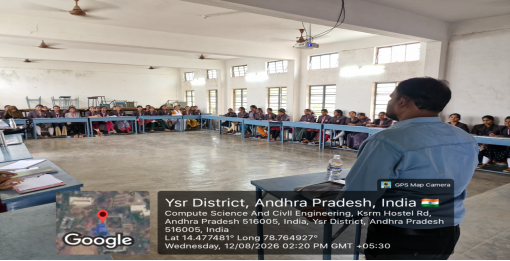
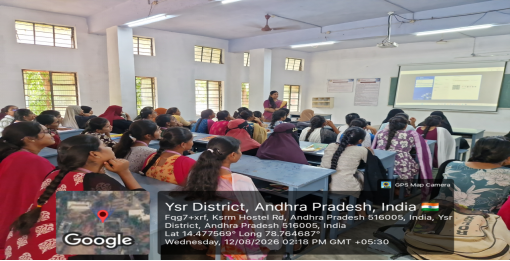
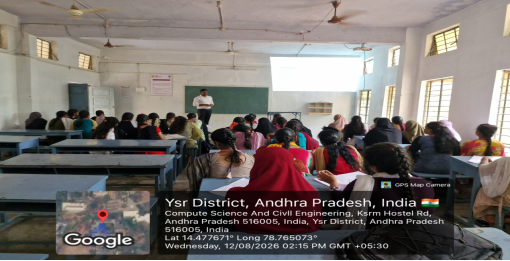
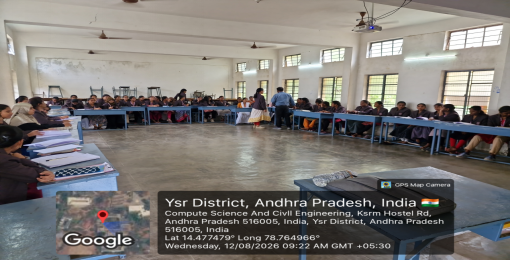
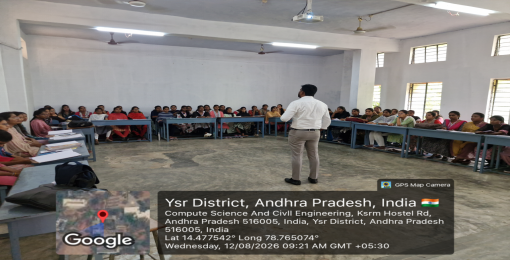
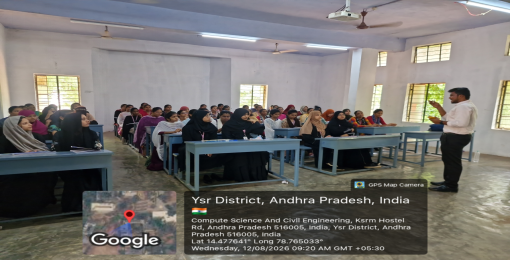
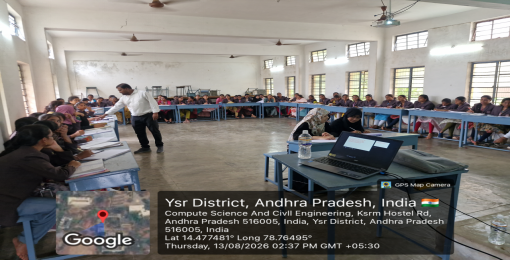
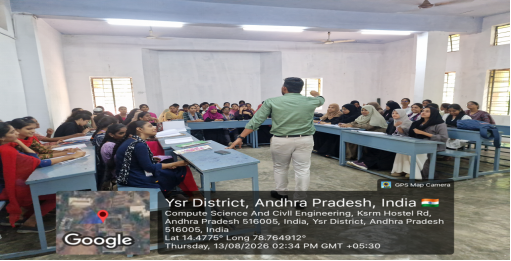
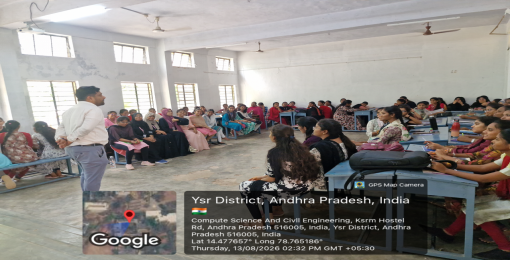
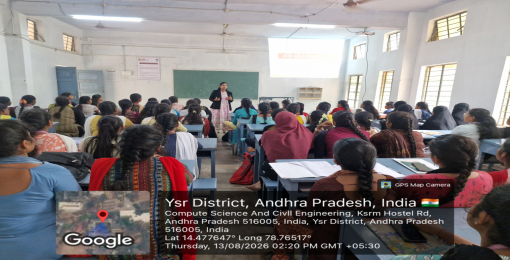
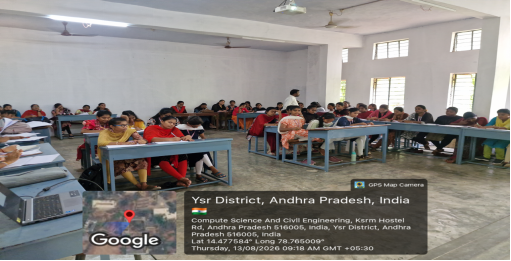
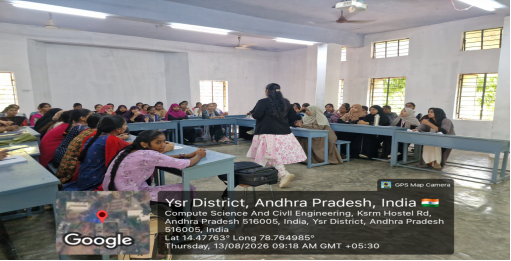
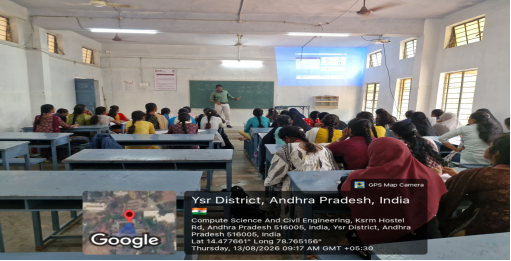
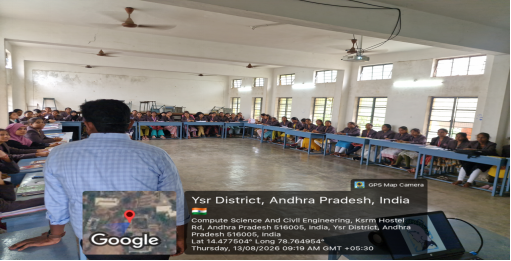
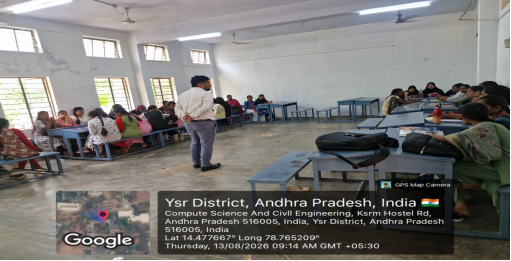
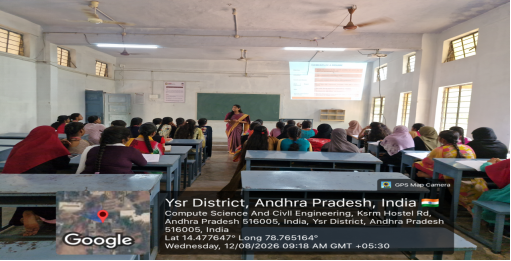
- Photographs of offline sessions
- Evidence/screenshots of online sessions
- Student feedback forms
- Course completion certificates
- Communication/correspondence with Naandi Foundation
CONCLUSION
The 40-Hour Mahindra Pride Classroom Skill Development and Employability Training Programme was successfully conducted at KLMCEW in association with Naandi Foundation and Mahindra & Mahindra Group. The programme provided students with valuable opportunities to enhance communication, aptitude, reasoning, personality development, interview and workplace-readiness skills.
The combination of 35 hours of offline training and 5 hours of online training provided a blended learning experience and practical exposure to employability-oriented competencies. The programme contributed meaningfully to student skill development, employability enhancement, industry readiness and holistic development.
Program Picture